International Day of the World’s Indigenous Peoples 2026
7 August 2026 · Lange Voorhout, Den Haag
A day of recognition, remembrance, culture, encounters and connection.
Watch the aftermovie
From recognition to the future
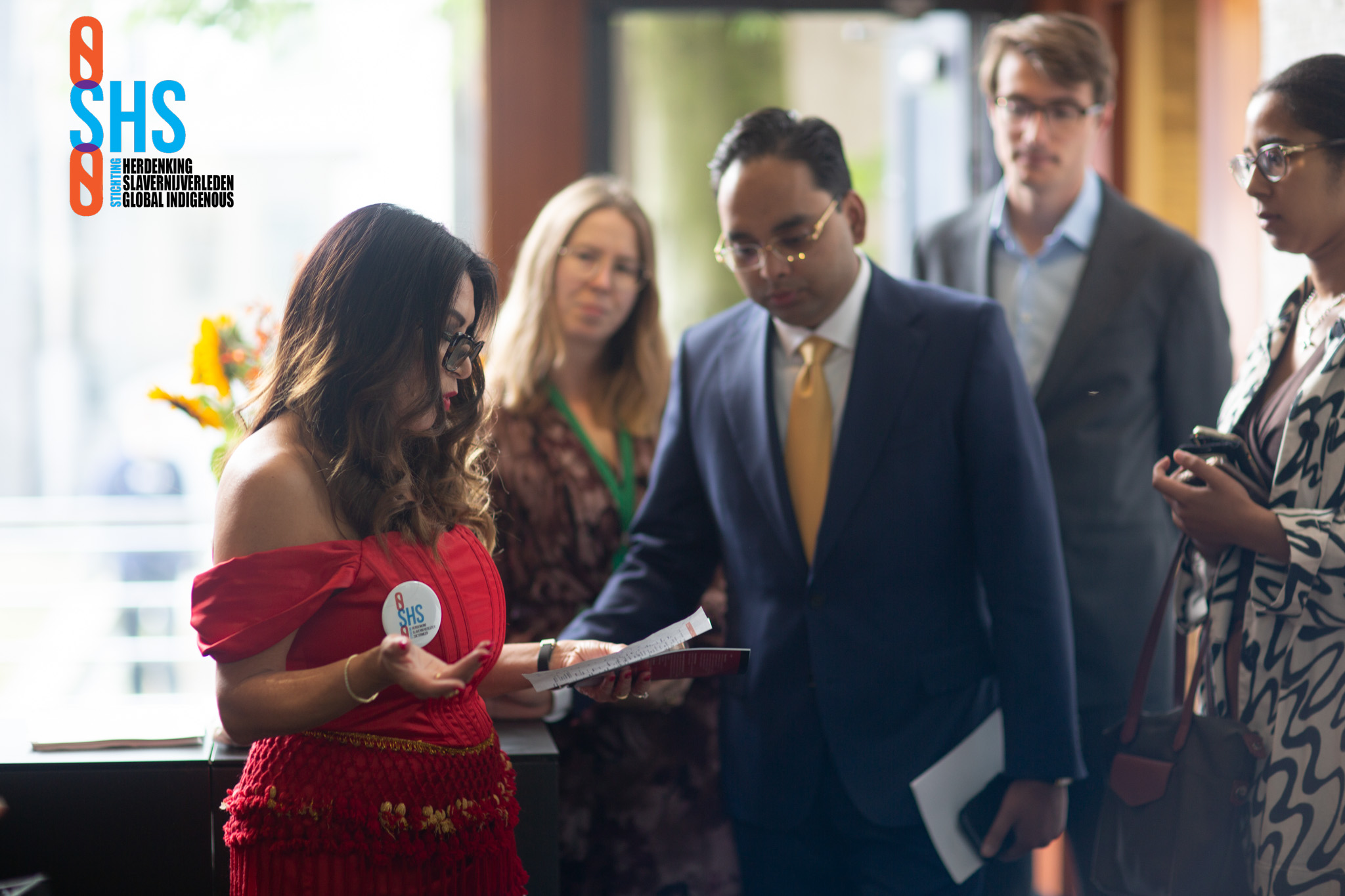
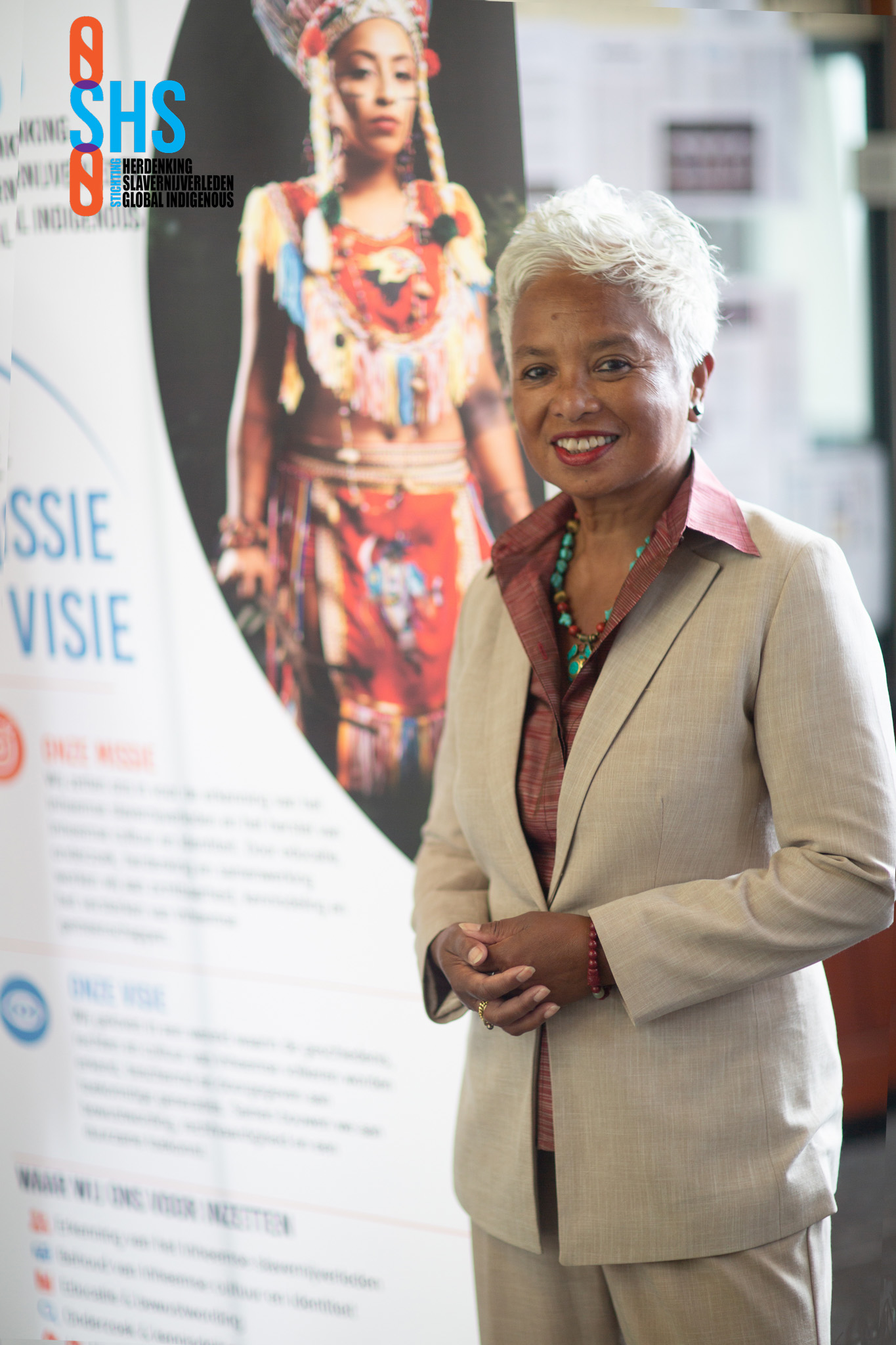
On Friday 7 August 2026, The Hague marked the International Day of the World’s Indigenous Peoples. Under the theme ‘From Recognition to the Future’, SHS–Global Indigenous brought together communities, knowledge holders, artists, researchers, civil society organisations and other participants.
Remembrance, culture, knowledge sharing and encounters were woven together throughout the day. Alongside the past, participants considered how recognition can support restoration, visibility and a just future for Indigenous communities.
A solemn commemoration
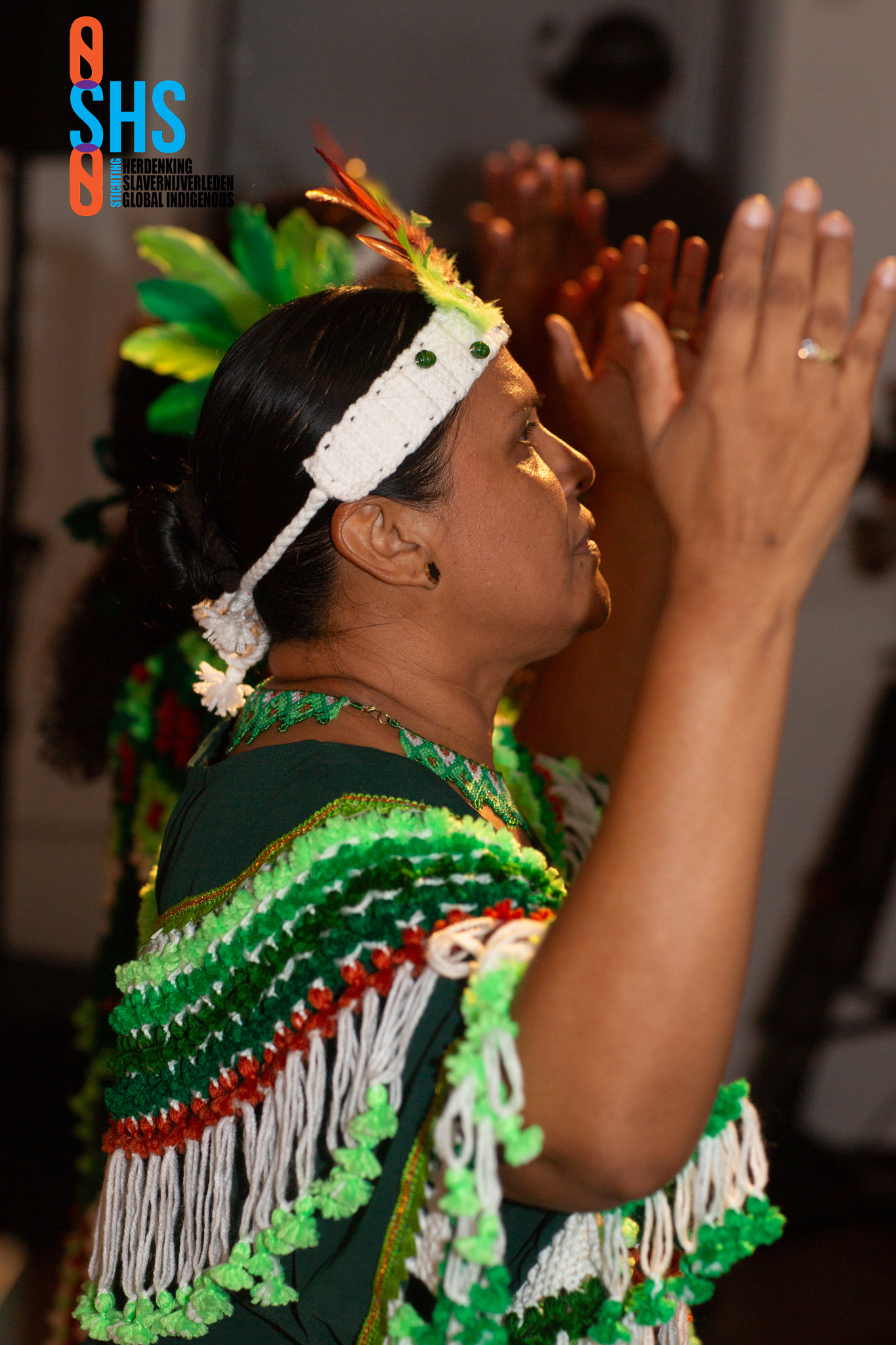
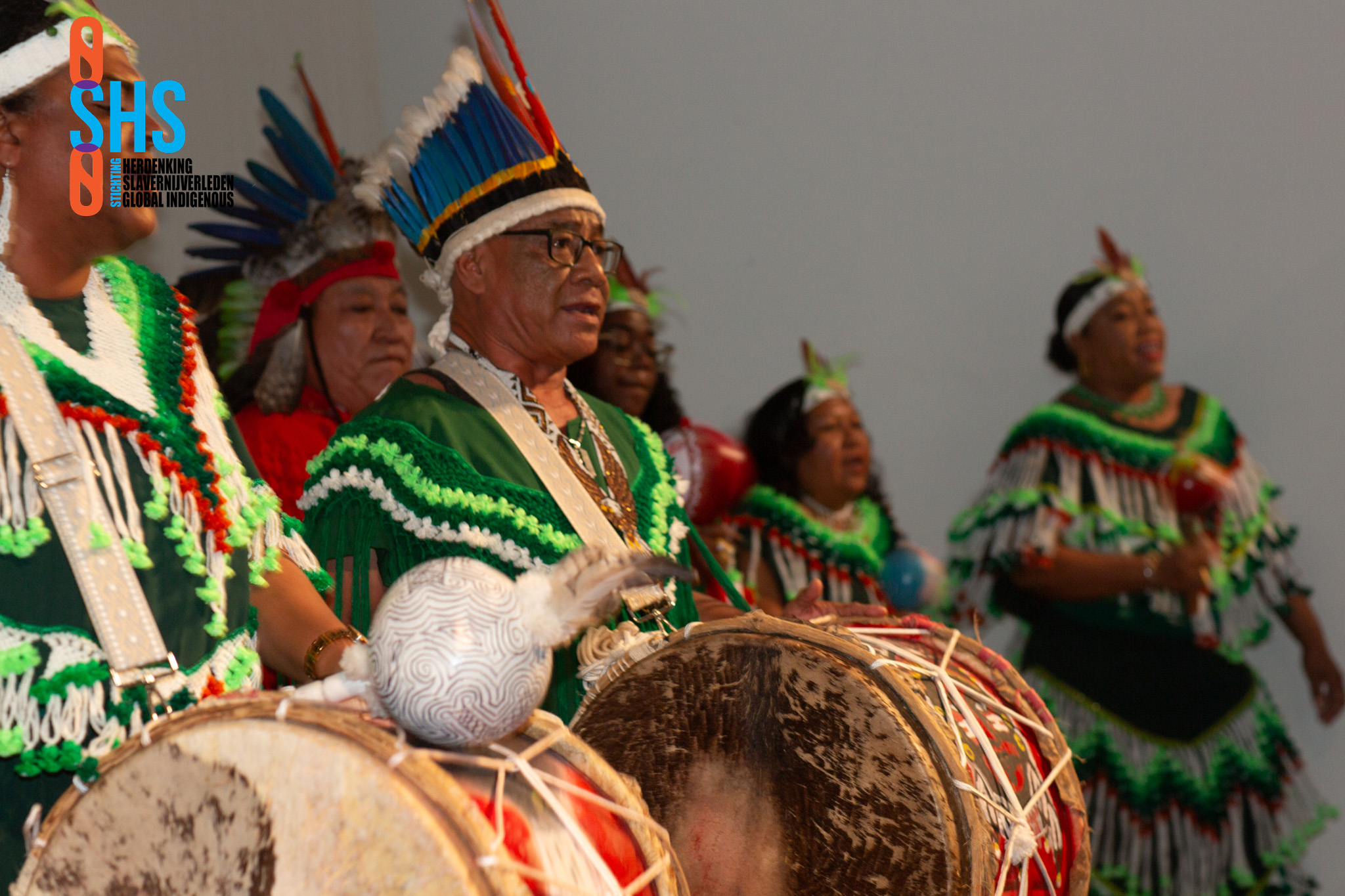
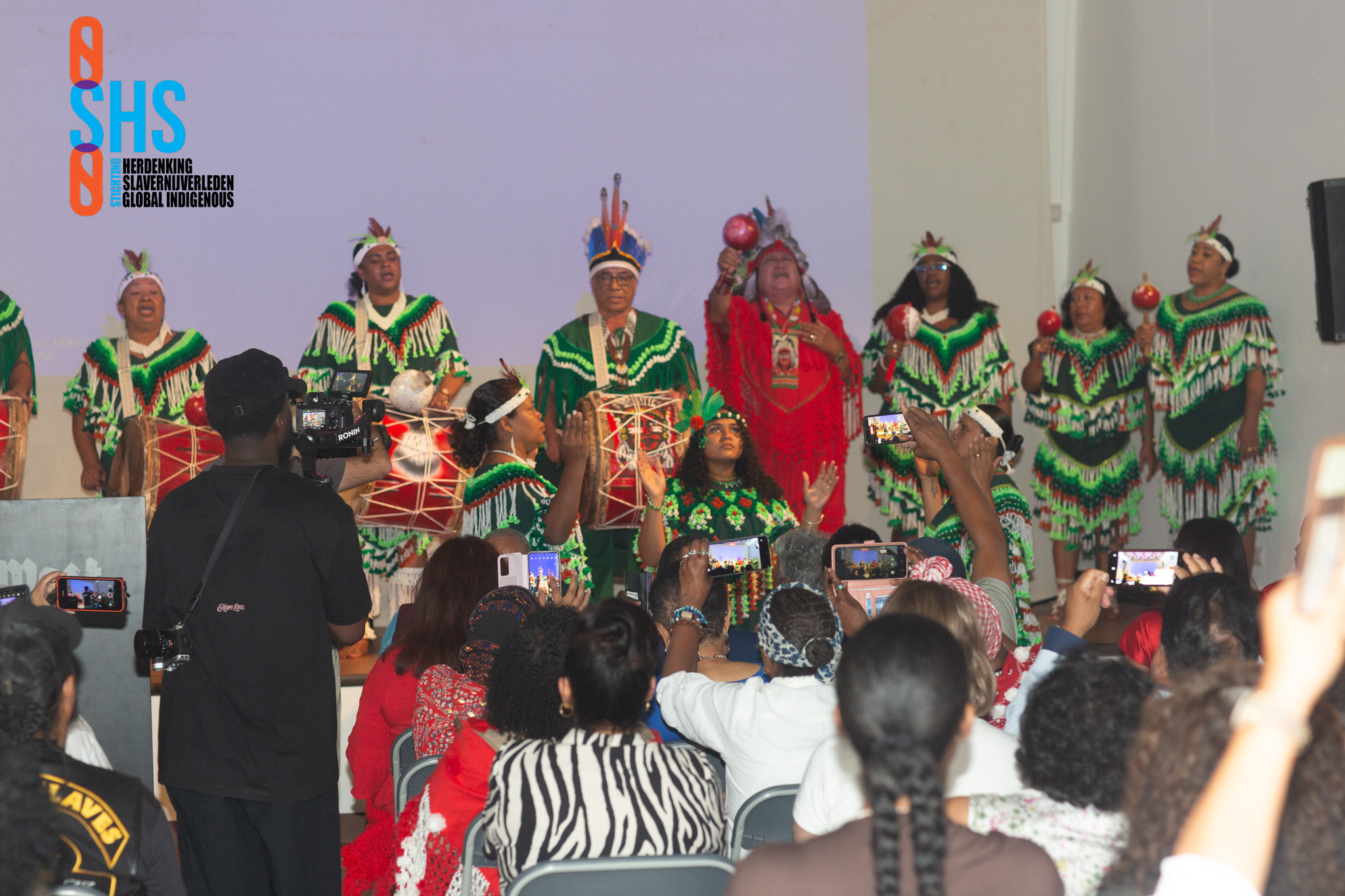
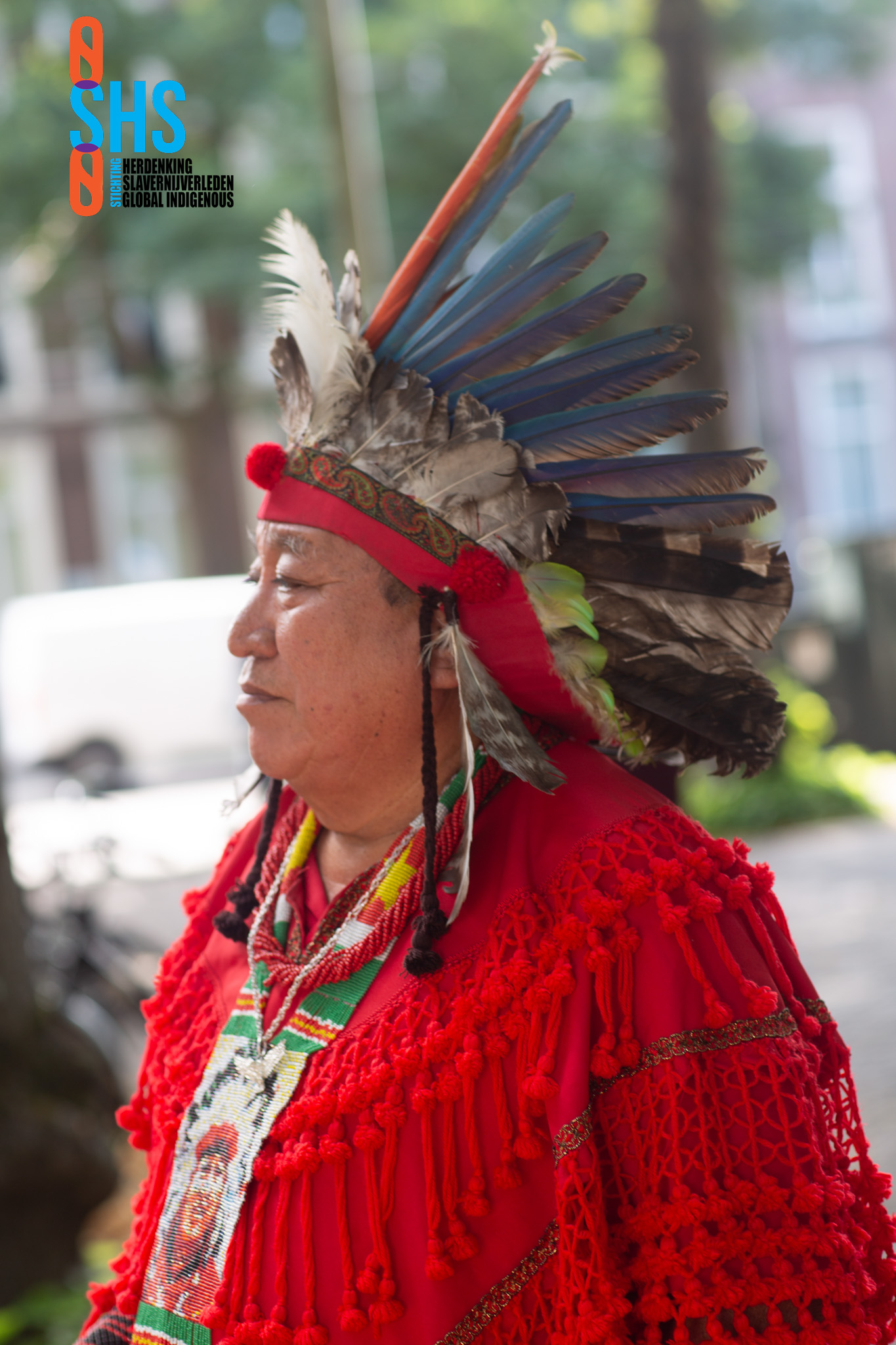
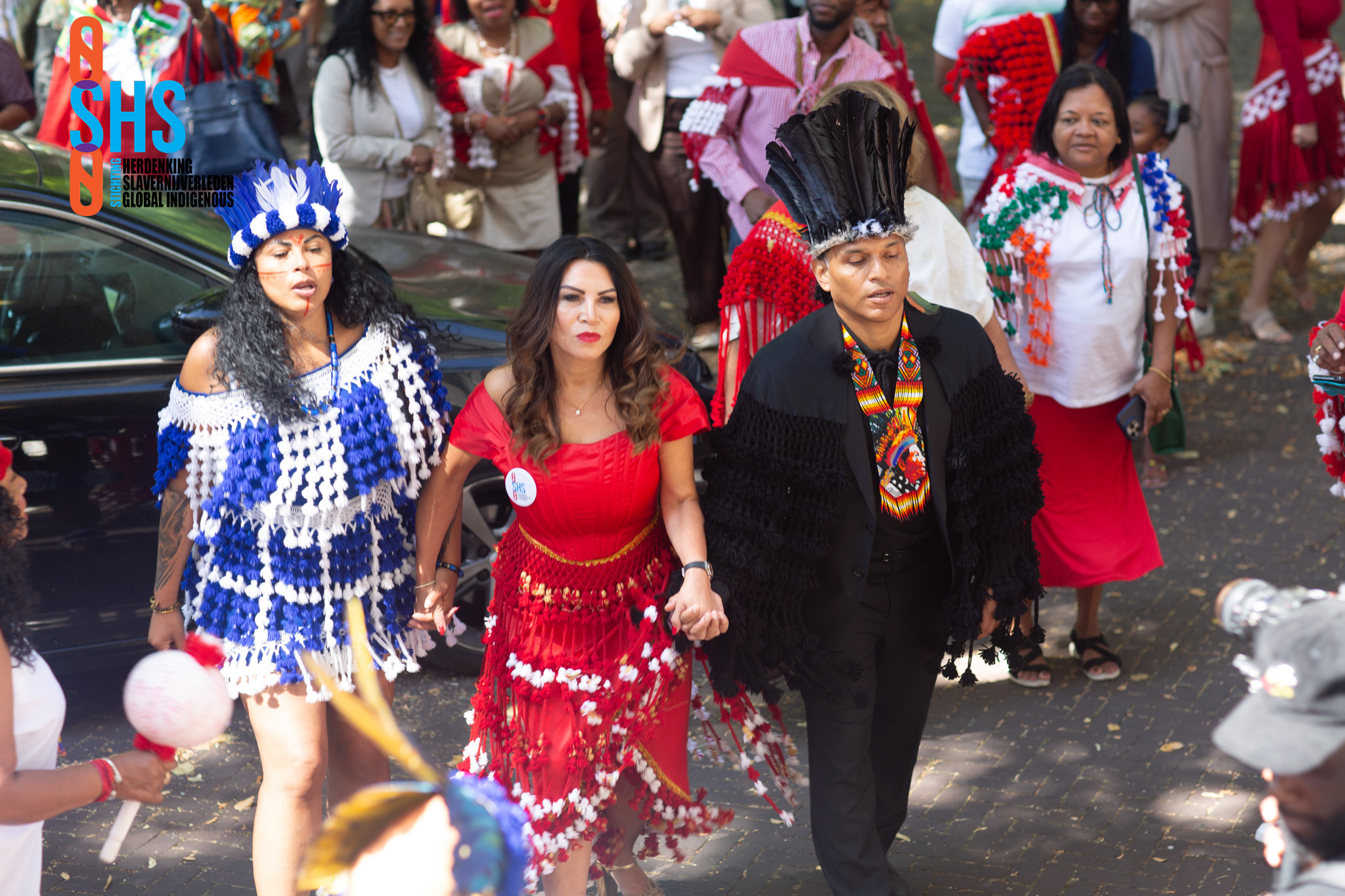
The day began at the Transatlantic Slavery Monument on Lange Voorhout. Guests were welcomed before a traditional Indigenous opening with prayer, blessings, song and dance.
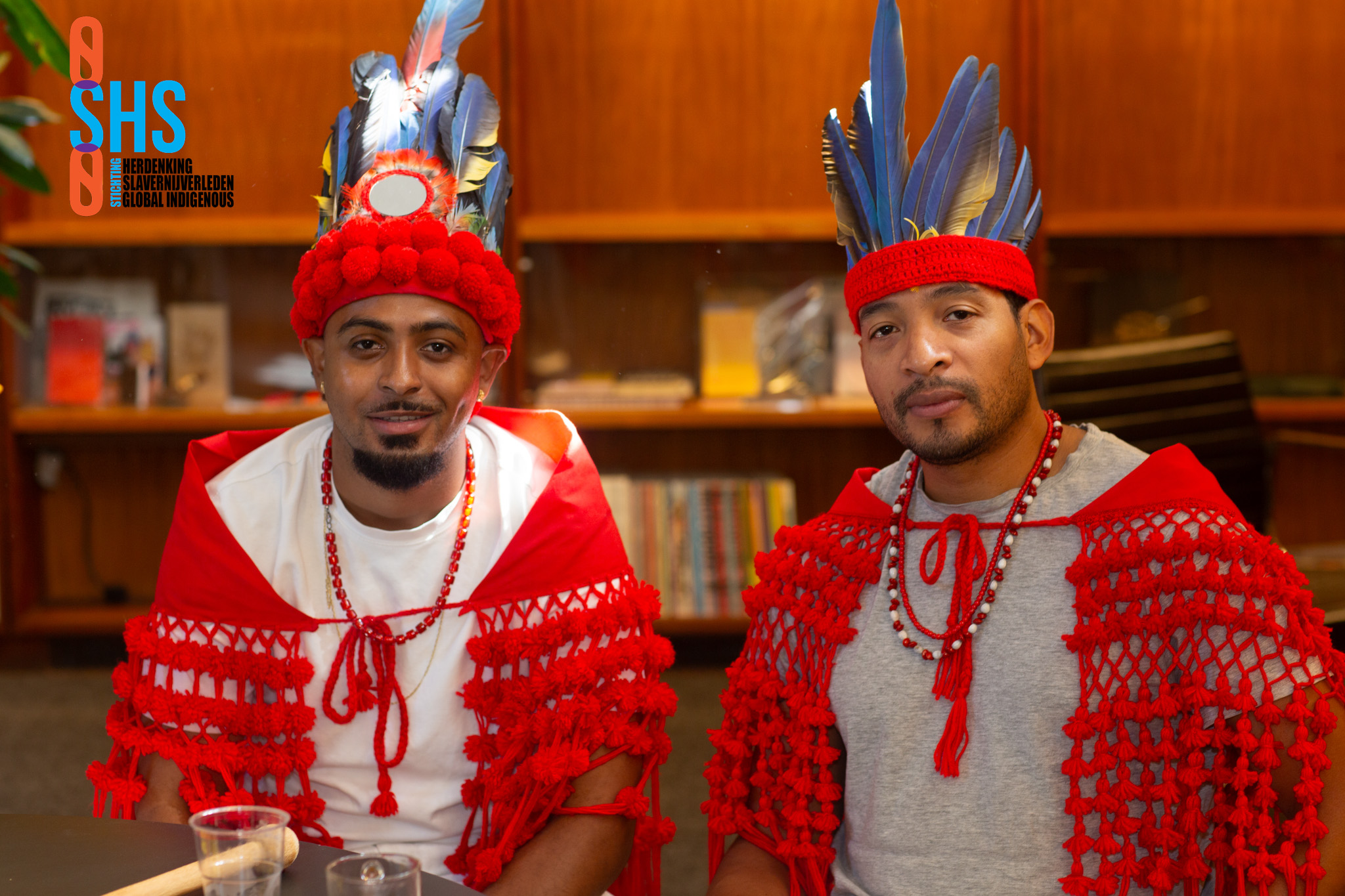
Following SHS-GI’s welcome, Indigenous shoulder cloths were tied around the monument’s silhouettes in a special ceremony. This ritual symbolised connection, cultural identity and the visible presence of ancestors.
Wreaths were then laid on behalf of the Surinamese Embassy, the National Slavery History Committee, the National Coordinator against Discrimination and Racism and other guests.
Those attending also received flowers and were invited to place a flower at the monument in honour of their own ancestors.
From remembrance to sharing knowledge
After the ceremony, the programme continued at Museum West, with a focus on research, education, dialogue and future cooperation.
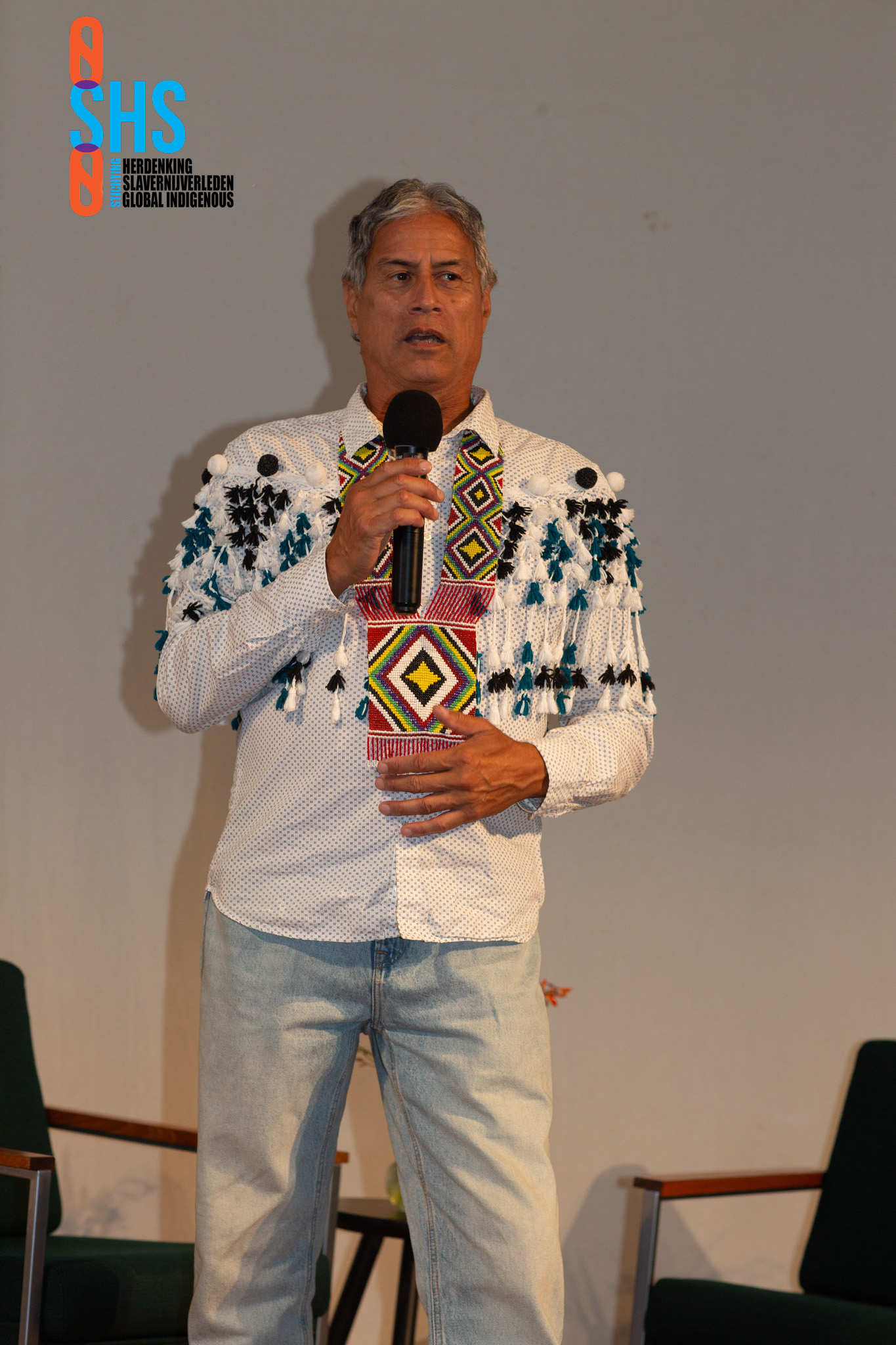
Chair and moderator Julia Jouwe opened the afternoon programme. Willem Koning performed spoken word, followed by historian Sjoerd Ramackers with a lecture on Indigenous enslavement and preliminary research into Indigenous experiences of five centuries of colonialism.
The second edition of the preliminary research report was also formally presented. This research provides a foundation for further public dialogue and the lasting inclusion of Indigenous history in research, heritage, education and policy.
Dialogue on restoration and recognition
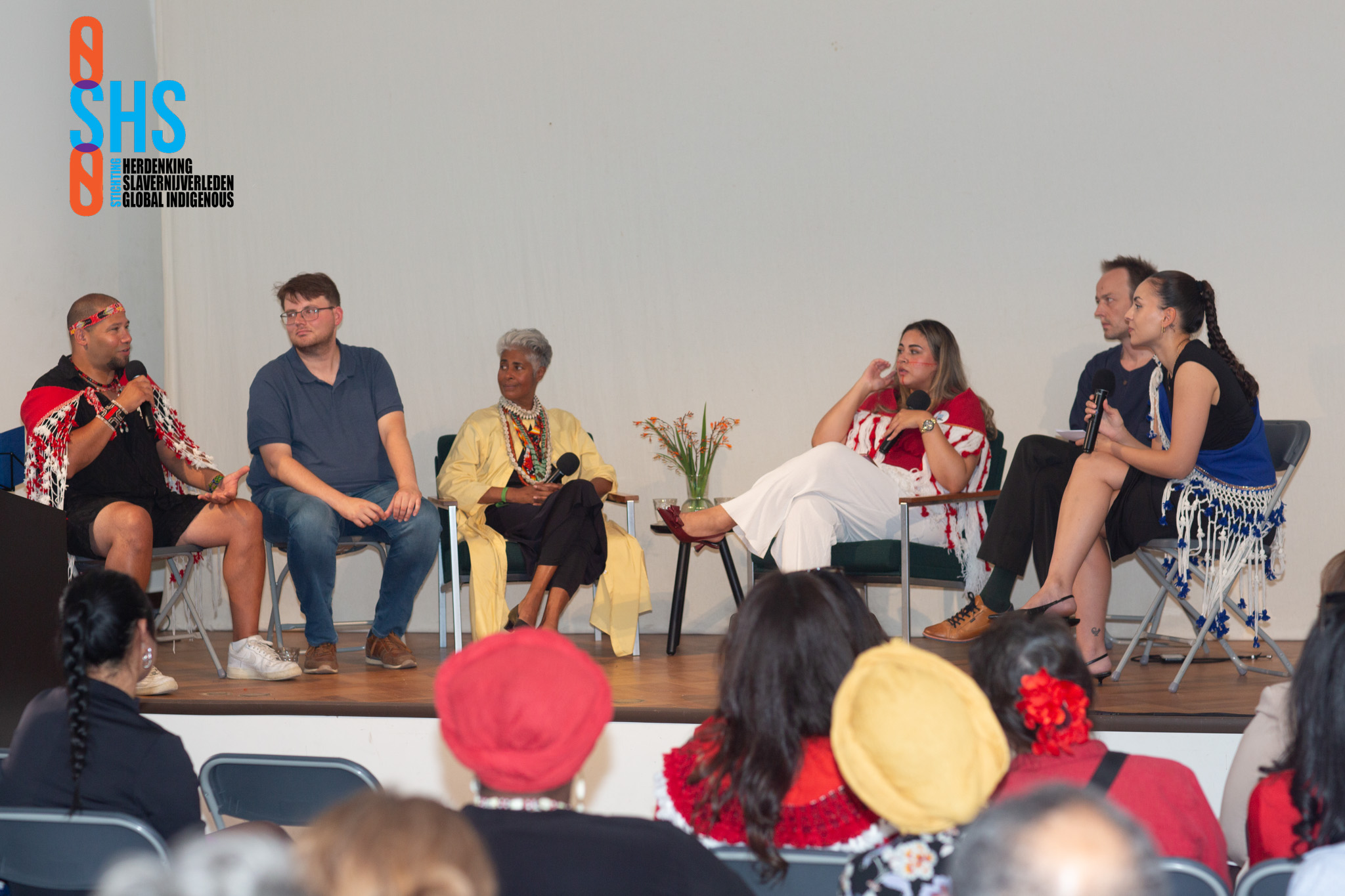
The panel discussion ‘From Recognition to the Future’ was central to the afternoon. Led by Julia Jouwe, panellists discussed identity, heritage, restoration, knowledge transfer and Indigenous perspectives in education and policy.
Students had prepared questions based on the preliminary research report. They also had the opportunity to participate actively in the subsequent dialogue.
Culture as a living force
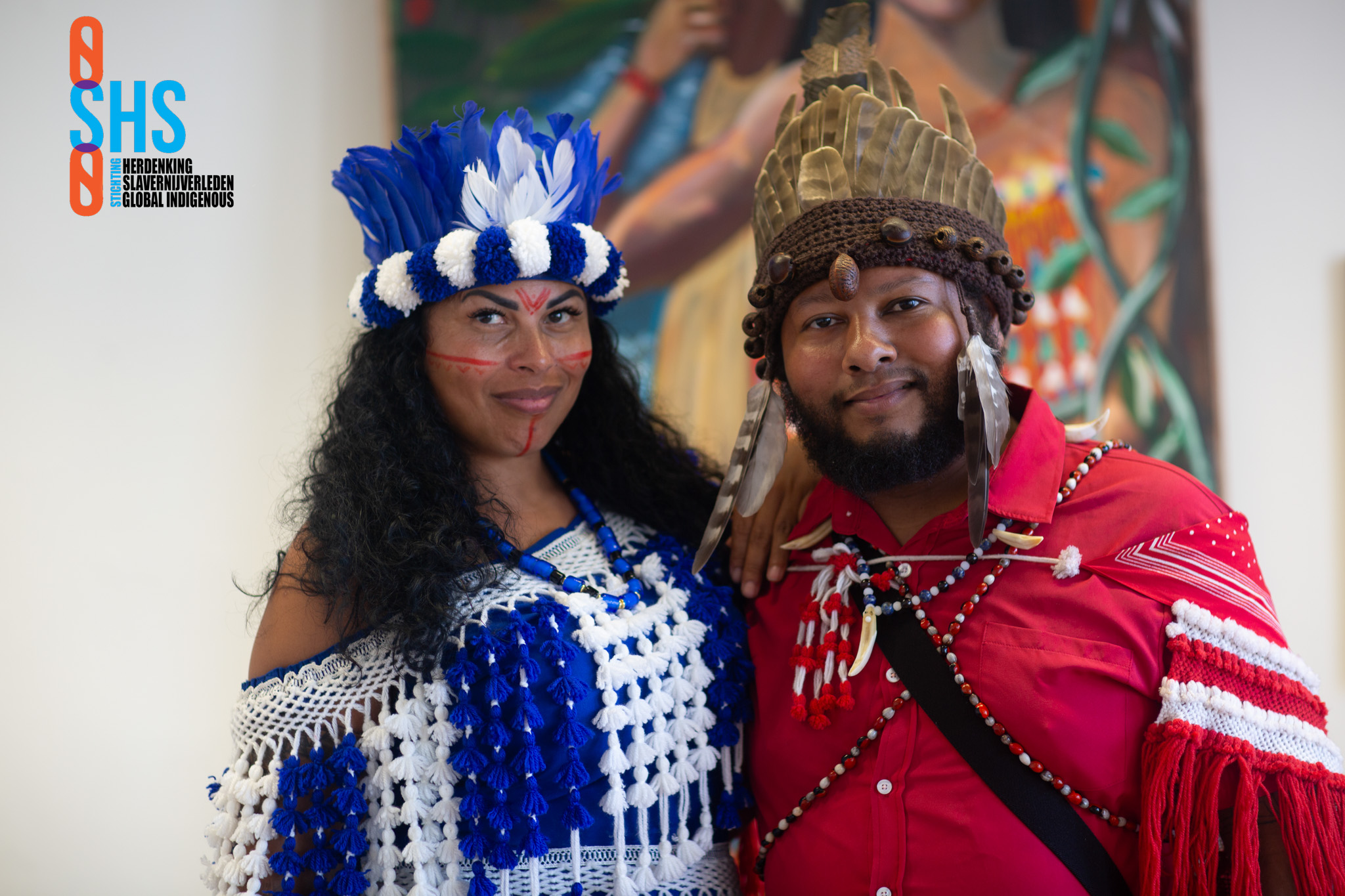
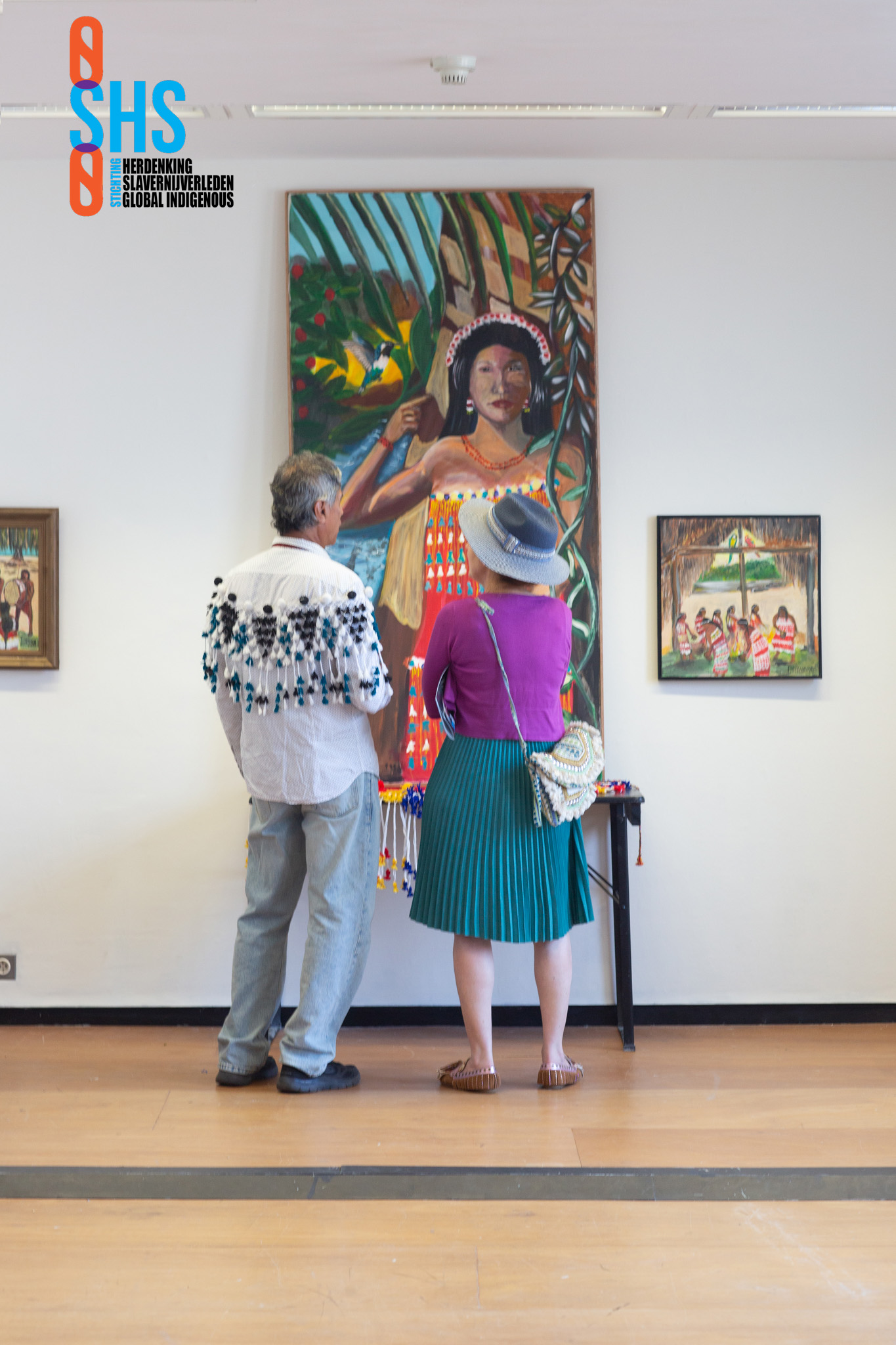
Music, art, culture and encounters demonstrated that Indigenous communities are living communities with their own knowledge, identities, traditions and visions for the future.
Denise Jannah performed music, and Ricardo Sibelo contributed to the cultural programme. Children took part in creative activities including clay modelling, making dreamcatchers and creating leaf artworks on canvas.
Visitors could also explore the Indigenous market. The day concluded with a shared dinner and music.
We remember what has been lost. We recognise what has been silenced for too long. We celebrate what our ancestors preserved. And we work together towards a just future for the generations to come.
Photos from the day